Access Control vs. Traditional Keys: What Businesses Need to Know
Access-control basics for offices and facilities.
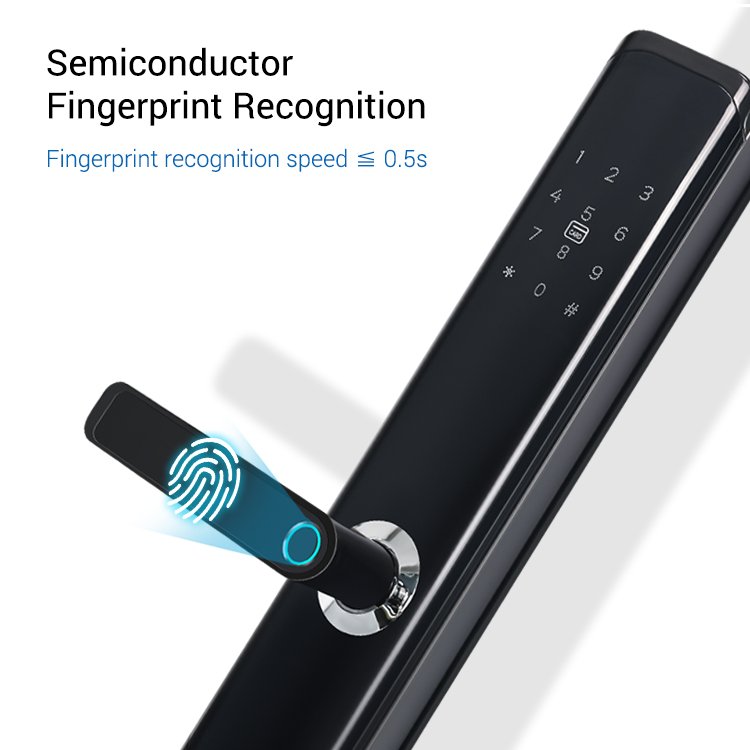
Traditional keys have an obvious limitation: once one is lost or copied, the only way to fully restore security is to change the lock. Access control replaces keys with credentials — cards, fobs, PINs or biometrics — that can be issued, restricted or revoked individually, without touching the hardware on the door.
This makes a practical difference for a growing business. When an employee leaves, their credential is deactivated instead of the business having to re-key doors. When a contractor needs temporary access, they can be given a credential that expires automatically. And every entry can be logged — a business can see who accessed which door and when.
Access control also scales in a way keys cannot. A single system can manage a handful of doors or hundreds, apply different permission levels to different staff groups, and — in many projects — share the same credential with a time-attendance system, so one card handles both building entry and staff attendance.
The trade-off is that access control is a system, not a single product — it needs planning around the number of doors, the credential type, and how it should integrate with CCTV or alarms. That is exactly the kind of assessment a consultation is meant to work through before any equipment is chosen.